


Backyard pools come with ongoing responsibilities that affect time, safety, and upkeep. Open water stays exposed to debris, shifting weather, and unsupervised access when left uncovered. Pool rollers support regular cover use without adding complicated steps to your routine. You decide when the pool stays open or closed, and the equipment responds in a predictable way. Homeowners who value function over decoration often see pool rollers as a steady, practical part of everyday pool ownership.
What Pool Rollers Are and How They Function
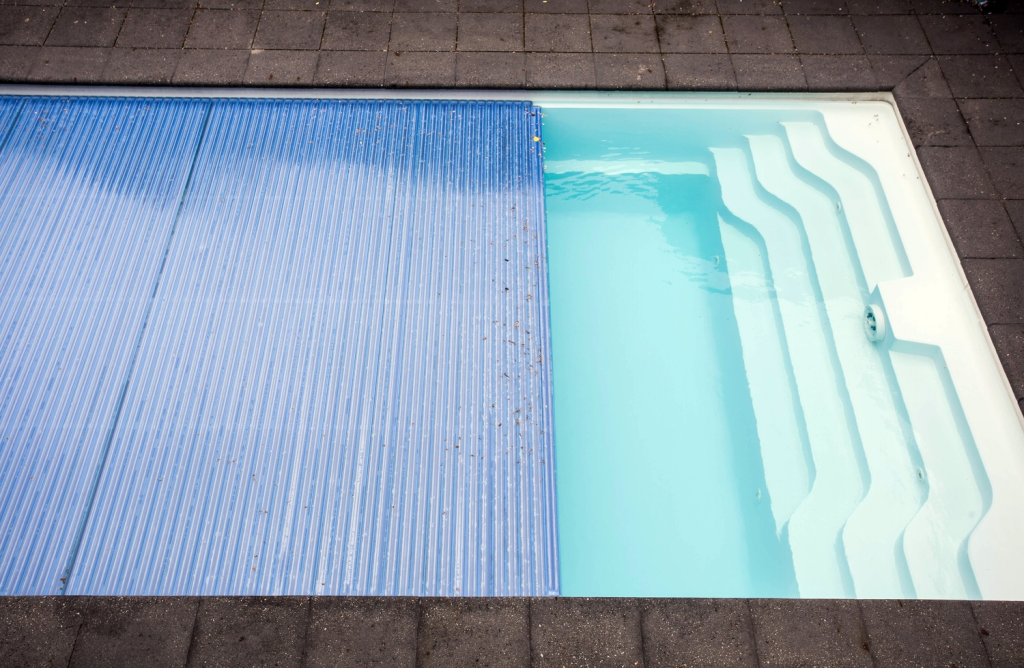
Pool rollers act as mechanical supports that manage pool covers across the water surface. Positioned at one end, pool rollers hold the cover when retracted and guide it during deployment. Movement stays controlled, so the cover spreads evenly instead of drifting or folding.
Manual models rely on a hand crank that rotates the roller shaft. Motorized systems use a reel system connected to a power source that handles extension and retraction. Guides, straps, and tension points keep the cover aligned during movement. Residential designs prioritize straightforward operation rather than technical complexity.
Daily Pool Use and Water Conditions
Covering and uncovering a pool becomes part of normal use when the process stays brief and controlled. Pool rollers keep the cover moving in a straight line, which reduces the effort required at the start and end of each swim. The cover rolls back evenly instead of dragging across the water or catching at the edges, so opening the pool feels like a single action rather than a sequence of small adjustments.
Consistent coverage changes how the water behaves between uses. Leaves, insects, and dust settle on the cover rather than sinking into the pool, which limits surface skimming and vacuuming. Evaporation slows when the water stays shielded, helping maintain stable water levels. Reduced sun exposure also slows chemical loss, which keeps readings closer to target ranges and shortens the time spent correcting balance after periods of inactivity.
Safety and Household Access
Regular cover use plays a direct role in how safely a pool area functions. When rolling the cover into place feels manageable, you are more likely to close the pool after use instead of delaying the task. That routine helps define when the pool is available and when it is off-limits, which reduces uncertainty around open water.
Shared spaces benefit from order and predictability. Guests, children, and pets move more freely when the pool surface remains covered during inactive periods. A roller-supported cover lies flat across the water, avoiding loose material near walking paths. Equipment stays fixed at the pool edge, which keeps entry points clear and limits obstacles around seating or circulation areas.
Installation Factors and Pool Compatibility
Pool shape influences roller selection. Rectangular pools allow standard sizing and straightforward alignment. Freeform pools require custom measurements to keep the cover tracking correctly. Rollers attach directly to the deck or rest on wheeled bases that allow repositioning.
Material choice matters for durability. Aluminum frames resist corrosion caused by moisture and pool chemicals. Roller capacity must match the weight and thickness of the cover. Undersized systems strain during operation, while oversized frames add unnecessary bulk to the pool edge.
Long-Term Ownership Considerations
Long-term use highlights the value of consistent mechanics. Rollers reduce folding stress on covers, which helps extend fabric life. Even winding also limits uneven wear along seams and edges.
Maintenance stays minimal, but regular attention helps avoid early issues. Rinsing the roller and cover removes residue buildup. Visual checks confirm that fasteners and guides remain aligned. Motorized units include control systems that regulate speed and tension, which benefit from occasional inspection to confirm smooth response.
Seasonal and Climate Performance
Climate affects how often covers get used and how rollers perform. Hot regions benefit from reduced evaporation and steadier water temperature. Cooler areas see advantages during shoulder seasons when overnight heat loss becomes a concern.
Wind exposure also plays a role. Rollers help secure covers flat against the water surface, which limits lifting or shifting during gusts. Seasonal storage becomes easier since the cover stays wrapped neatly on the roller rather than folded or stacked.
Space Planning and Visual Impact
Modern backyard layouts often prioritize clear space and functional zones. Pool rollers support that approach through compact profiles that remain close to the deck surface. Retracted covers stay contained, avoiding clutter around seating or walkways.
Mobile rollers allow repositioning during gatherings or maintenance tasks. Fixed installations support daily routines without movement. You decide how visible the equipment becomes based on how the space gets used, rather than adjusting the layout to accommodate storage needs.
Cost Planning and Usage Value
Pool rollers affect long-term ownership costs through reduced wear and routine efficiency. Covers that roll evenly experience fewer stress points, which can delay replacement. Lower evaporation also reduces water replacement needs, especially during warmer months.
Energy use varies between manual and motorized systems. Manual rollers involve no power draw, while motorized options consume limited electricity during operation. Repair needs tend to stay predictable since the systems rely on simple mechanical parts rather than complex electronics.
Conclusion
Pool rollers focus on steady, everyday function rather than visual impact. Easier cover handling supports cleaner water, steadier conditions, and safer access without altering how you use your pool. Installation options adapt to different pool shapes, climates, and household routines. For homeowners who value consistency and long-term usability, pool rollers offer a practical addition to modern backyard spaces.

Sharon Howe is a creative person with diverse talents. She writes engaging articles for WonderWorldSpace.com, where she works as a content writer. Writing allows Sharon to inform and captivate readers. Additionally, Sharon pursues music as a hobby, which allows her to showcase her artistic abilities in another creative area.