

Modern lifestyles have changed the way people think about health, work, and daily well-being. People are increasingly interested in different approaches to health care, while workplaces are paying greater attention to how everyday habits can affect employees throughout the workday.
At the same time, access to basic medical services remains an important consideration. Together, these trends show how personal wellness, workplace routines, and the health care system are connected to the experiences people have every day.
Integrative Health Is Expanding the Conversation Around Wellness
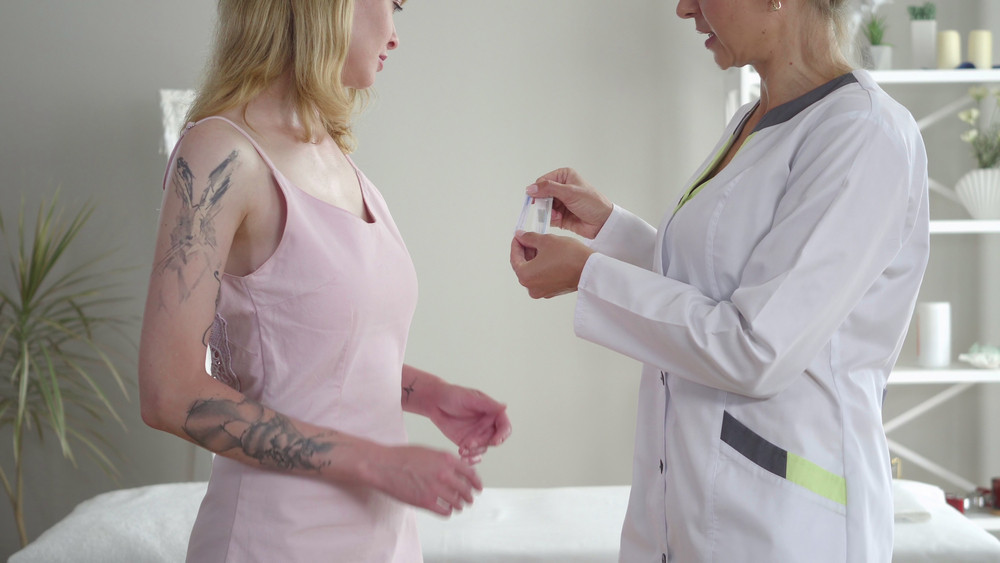
Health care is not always viewed as a choice between conventional treatment and alternative practices. Integrative medicine brings different approaches together, with strategies that may include conventional medical care alongside practices such as acupuncture, meditation, massage, or other complementary approaches.
Interest in these options can vary among different groups. According to the Institute for Healthcare Policy and Innovation, 44% of women reported that they would be interested in trying integrative medicine strategies, making women more likely than men to express interest in these approaches.
Interest in integrative care does not necessarily mean that someone will use every available therapy. Instead, it can reflect a desire to explore additional ways of addressing particular health concerns or supporting overall well-being. For some people, the appeal may come from having more opportunities to participate in decisions about their care.
A thoughtful approach still involves understanding what a particular therapy is intended to do and discussing it with an appropriate health care professional. Integrative strategies can vary considerably, and some may have stronger scientific support than others. Understanding the available evidence, potential benefits, and possible risks can help people make informed choices.
Lunch Breaks Can Become Part of Workplace Wellness
Workplace wellness extends beyond formal programs focused on exercise or health education. Ordinary routines, including when and how employees eat during the workday, can also influence how people feel and perform.
Lunch provides an opportunity to step away from work demands, eat a meal, and create some separation between the morning and afternoon portions of the day. A meaningful break may also provide time for employees to interact with coworkers or simply reset before returning to their responsibilities.
The perceived value of that pause is reflected in workplace research. According to ezCater, 94% of workers said that having lunch leaves them feeling refreshed and prepared to return to their work. Despite this, taking a genuine lunch break can be difficult when schedules are crowded with meetings, deadlines, and other responsibilities.
Workplaces can approach lunch in practical ways by making reasonable breaks part of the culture. Protecting time for meals, providing accessible food options, and avoiding expectations that employees should remain constantly available can help make the midday break a realistic part of the workday.
Access to Primary Care Remains an Important Concern
Personal wellness choices are only one part of maintaining good health. People also need reasonable access to medical professionals when they require preventive services, routine care, treatment for an illness, or guidance about an ongoing health concern.
Primary care can play an important role in this process because it often serves as a starting point for many health needs. Regular visits can allow patients to discuss concerns, receive preventive services, manage existing conditions, and receive referrals when specialized care is appropriate.
Yet access is not equally easy for everyone. According to the Keck School of Medicine of USC, three out of every 10 people in the United States report experiencing difficulty obtaining primary care. Several factors can contribute to access challenges, including shortages of primary care clinicians, geographic availability, scheduling difficulties, insurance considerations, and other barriers.
Improving access therefore involves more than encouraging individuals to schedule appointments. Health systems, medical education programs, communities, and policymakers all have roles in developing ways to make primary care more available to the people who need it.
Modern health and wellness involve much more than medical treatment alone. Interest in integrative approaches, the importance of taking meaningful breaks during the workday, and access to primary care all demonstrate how health is connected to everyday routines and larger systems.
As lifestyles continue to change, people and workplaces may place greater emphasis on practical ways to support well-being. At the same time, maintaining accessible primary care remains an important part of giving individuals opportunities to address health needs before they become more difficult to manage.

Sharon Howe is a creative person with diverse talents. She writes engaging articles for WonderWorldSpace.com, where she works as a content writer. Writing allows Sharon to inform and captivate readers. Additionally, Sharon pursues music as a hobby, which allows her to showcase her artistic abilities in another creative area.